


School sports are an amazing way for kids to stay fit, build confidence, and make friends… but growing bodies are more prone to certain injuries. Understanding the risks (and how to prevent them) helps keep kids active, safe, and game‑ready.
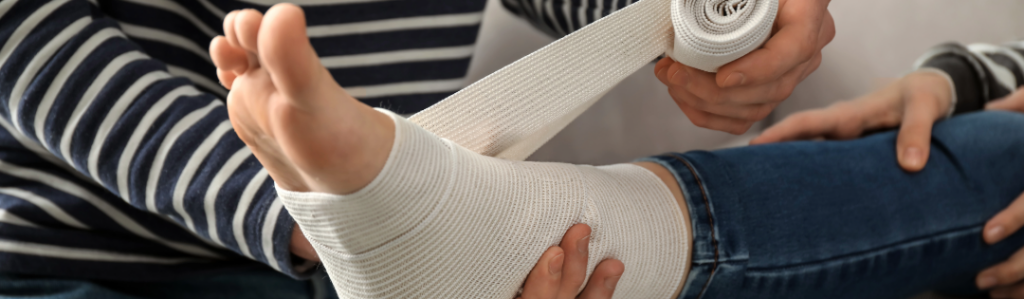
1. Ankle Sprains
What happens: A quick twist or awkward landing can overstretch or tear the ligaments around the ankle — especially in sports like netball, hockey, and soccer.
Why kids are at risk: Ligaments in children are still developing, and balance isn’t fully matured yet.
Prevention tips:
Add balance and ankle‑strengthening drills (like single‑leg stands).
Use sport‑specific, supportive shoes.
Always warm up and cool down properly.

2. Knee Injuries
What happens: From ligament strains to Osgood‑Schlatter disease (painful swelling at the top of the shin), knees take a lot of stress in running and jumping sports.
Why kids are at risk: Growth spurts put extra strain on tendons and muscles, making injuries more likely.
Prevention tips:
Don’t overtrain — build in at least one rest day per week.
Strengthen the quads, hamstrings, and hips for better knee support.
Take knee pain seriously — don’t push through it.

3. Muscle Strains
What happens: Overstretching or sudden force can cause tiny tears in muscles (hamstrings, groin, and calves are the usual suspects).
Why kids are at risk: Inflexibility, fatigue, and weak conditioning often increase the chances.
Prevention tips:
Focus on dynamic stretches before play (e.g., leg swings, walking lunges).
Build intensity gradually.
Prioritise recovery: good sleep, hydration, and a balanced diet.

4. Shoulder Injuries
What happens: Overhead sports (swimming, cricket bowling, tennis) can lead to shoulder impingements, instability, or rotator cuff strains.
Why kids are at risk: Weak stabilising muscles and poor technique are often the culprits.
Prevention tips:
Teach correct throwing, serving, or swimming techniques early.
Strengthen the rotator cuff and upper back.
Avoid specialising in one sport too early — cross‑training helps prevent overuse injuries.

5. Concussions
What happens: A blow to the head in rugby, hockey, or soccer can cause a concussion — a mild traumatic brain injury.
Why kids are at risk: Developing brains are more sensitive to impact and can take longer to recover.
Prevention tips:
Use properly fitted protective gear and enforce safe play.
Remove kids from the field immediately if a concussion is suspected.
Know the signs: headaches, confusion, dizziness, or balance problems.
When to See a Physio 🩺
Not all pain is “just growing pains.” If pain lingers, swelling appears, or movement feels limited, it’s time for a professional assessment.
At Physiotherapy Bedfordview, we help school athletes recover fully, stay strong, and get back to what they love — safely and confidently.


